Bees Facts for Kids
Buzzing insects that make honey and pollinate flowers, helping plants grow everywhere.
Select reading age
Bees Facts for Kids
Videos & Quizzesincluded
Tell me more →
About this topic
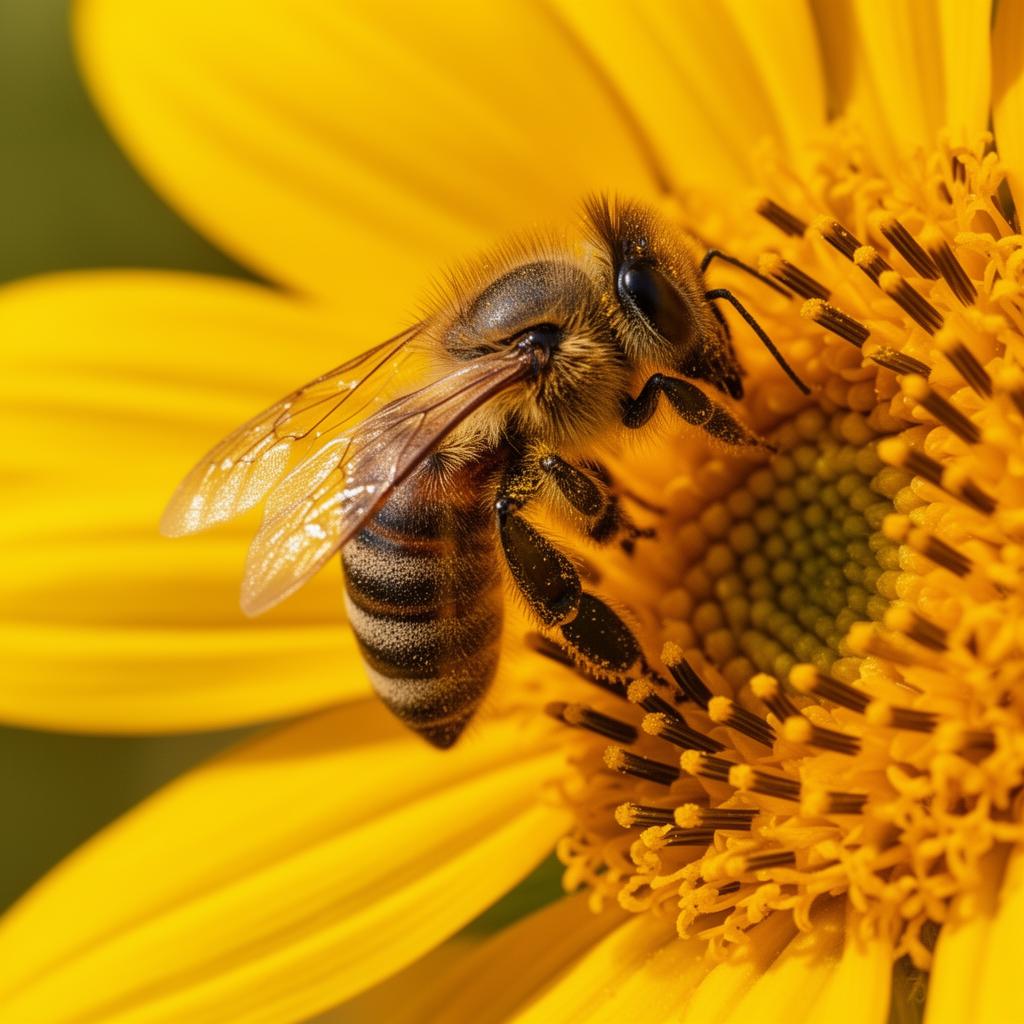
Bees are flying insects closely related to wasps and ants. There are over 20,000 species, but the honeybee is the most well-known for producing honey and pollinating crops. Without bees, many of the fruits, vegetables, and nuts we eat every day wouldn't exist. They are some of the most important creatures on our planet, and their complex social behaviour has fascinated scientists for centuries.
Quick Facts
Key Points
Bees pollinate about 75% of the fruits and vegetables we eat
A honeybee visits 50–100 flowers on each foraging trip
The waggle dance tells other bees where food is located
A single bee produces about 1/12 teaspoon of honey in its lifetime
Bees maintain their hive at exactly 35°C year-round
A queen bee can lay up to 2,000 eggs in a single day
Bees have five eyes - two large compound eyes and three small ones on top of their head
To make 1 kg of honey, bees must visit about 4 million flowers
Photos
🏠 The hive
A beehive is a marvel of engineering. Bees build perfect hexagonal wax cells to store honey and raise young. A single hive can house up to 60,000 bees. The hexagon shape is the most efficient way to divide a flat surface into equal cells using the least amount of wax.
Go deeper💃 The waggle dance
When a forager finds good flowers, she returns to the hive and performs a waggle dance. The angle and duration tell other bees exactly where the food is. The direction of the waggle relative to the sun indicates the direction of the flowers, and the length of the waggle shows the distance.
Go deeper🌍 Why bees matter
Without bees, many plants couldn't reproduce. About one-third of the food we eat depends on bee pollination. Declining bee populations are a serious environmental concern caused by pesticides, habitat loss, and disease.
Go deeper🍯 Making honey
Worker bees collect nectar from flowers and store it in their 'honey stomach.' Back at the hive, they pass it to house bees who chew it for about 30 minutes. Then it's placed in cells and fanned with wings until the water content drops below 18%. Finally, they cap it with wax - preserved forever!
Go deeper🐝 Types of bees
Honeybees live in large colonies, but most bee species are solitary. Bumblebees form small colonies in the ground. Mason bees nest in holes in wood. Carpenter bees drill into timber. Each species has unique habits, but all are important pollinators.
Go deeper⚠️ Threats to bees
Colony collapse disorder, where entire hives die suddenly, has alarmed scientists worldwide. Pesticides, particularly neonicotinoids, harm bees' navigation and immune systems. Climate change shifts flowering times, making it harder for bees to find food. Protecting bees is essential for global food security.
Go deeperWatch & Learn
4:12What are Bees Facts for Kids?
6:30Bees Facts for Kids explained for kids
3:45Fun facts about Bees Facts for Kids
Frequently Asked Questions
Explore more in Kids Wikipedia
Dive into hundreds of interactive topics with videos, quizzes, and hands-on activities - all inside Ask Anything.
Open Kids Wikipedia