Elephants Facts for Kids
The largest land animals with long trunks, big ears, and incredible memories.
Select reading age
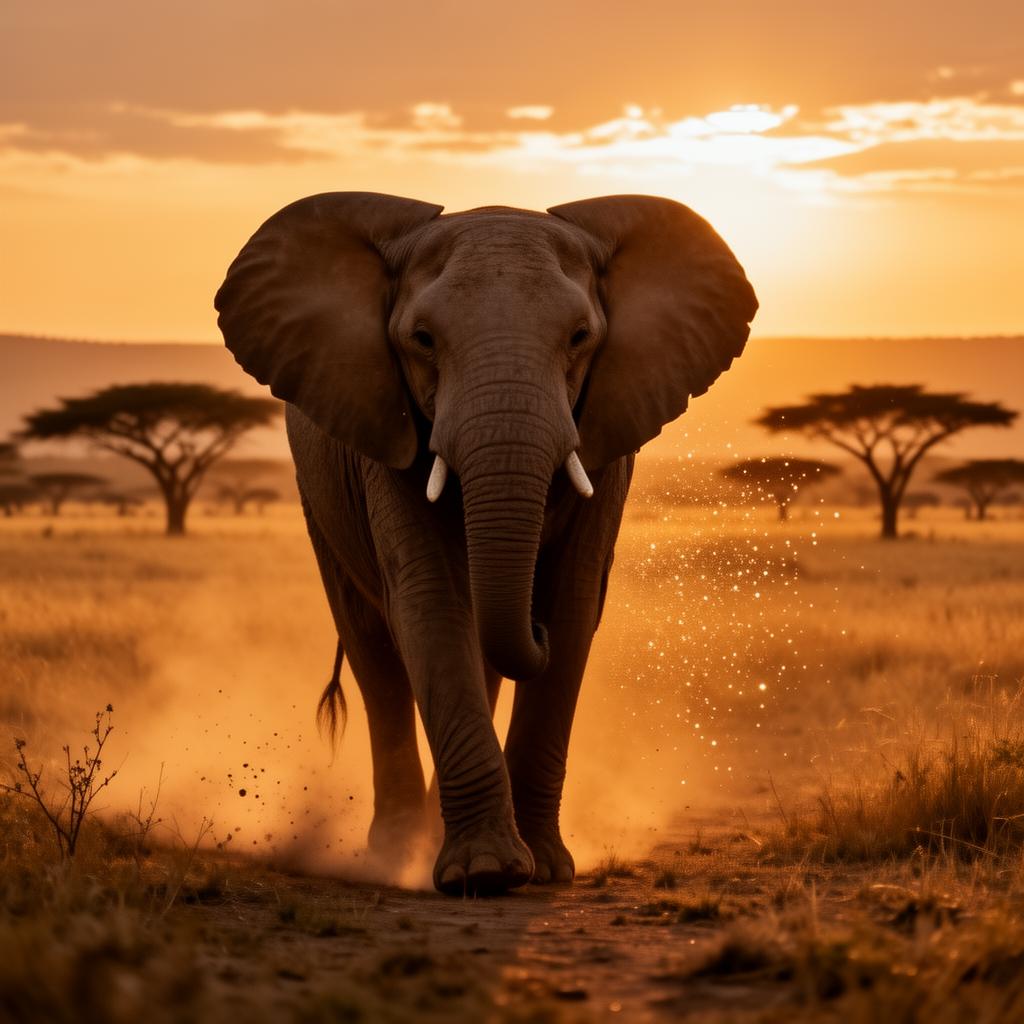
Elephants Facts for Kids
Videos & Quizzesincluded
Tell me more →
About this topic
Elephants are the largest living land animals. Known for their intelligence, empathy, and remarkable memory, they live in complex social groups led by experienced matriarchs. These gentle giants have fascinated humans for millennia and play a crucial role in their ecosystems by creating pathways through forests, digging water holes that other animals use, and dispersing seeds across vast distances.
Quick Facts
Key Points
There are three species: African bush, African forest, and Asian elephants
An elephant's trunk contains about 40,000 muscles and can lift 350 kg
Elephants can recognize themselves in mirrors - a sign of self-awareness
They communicate using low-frequency rumbles that travel through the ground
Elephant herds are led by the oldest female, called the matriarch
Elephants mourn their dead and visit the bones of deceased family members
They eat up to 150 kg of food and drink 190 litres of water per day
An elephant's skin is up to 2.5 cm thick but is so sensitive it can feel a fly landing on it
Photos


👃 The trunk
An elephant's trunk is its nose, hand, and snorkel all in one. With 40,000 muscles (your entire body has about 640), it can pick up a single peanut or rip a tree from the ground. They also use it to shower, trumpet, hug other elephants, and snorkel while crossing deep rivers.
Go deeper🧠 Memory and emotions
Elephants have the largest brain of any land animal at about 5 kg. They remember migration routes spanning hundreds of kilometres, recognize individuals after decades apart, and show grief when a family member dies - gently touching the body with their trunks and sometimes standing silent vigil for hours.
Go deeper👨👩👧👦 Social structure
Elephant herds are matriarchal - led by the oldest, most experienced female. She remembers where to find water during droughts and how to avoid danger. When a matriarch dies, her daughter typically takes over. Male elephants leave the herd as teenagers and live alone or in small bachelor groups.
Go deeper👶 Elephant babies
Elephants have the longest pregnancy of any land animal - 22 months! Newborn calves weigh about 120 kg and can stand within an hour of birth. The entire herd helps raise and protect calves. Baby elephants sometimes suck their trunk like human babies suck their thumb.
Go deeper🌍 Ecosystem engineers
Elephants shape their environment in remarkable ways. They knock down trees, creating grasslands that benefit other species. They dig water holes that other animals rely on during dry seasons. Their dung spreads seeds across vast distances and provides nutrients for the soil and food for dung beetles.
Go deeper🛡️ Conservation
Elephants face threats from poaching for ivory and habitat loss due to human expansion. African elephant populations have declined by over 60% in recent decades. Conservation efforts include anti-poaching patrols, habitat corridors connecting fragmented areas, the global ivory trade ban, and community programmes that help people coexist with elephants.
Go deeperWatch & Learn
4:12What are Elephants Facts for Kids?
6:30Elephants Facts for Kids explained for kids
3:45Fun facts about Elephants Facts for Kids
Frequently Asked Questions
Explore more in Kids Wikipedia
Dive into hundreds of interactive topics with videos, quizzes, and hands-on activities - all inside Ask Anything.
Open Kids Wikipedia