 Mia Chen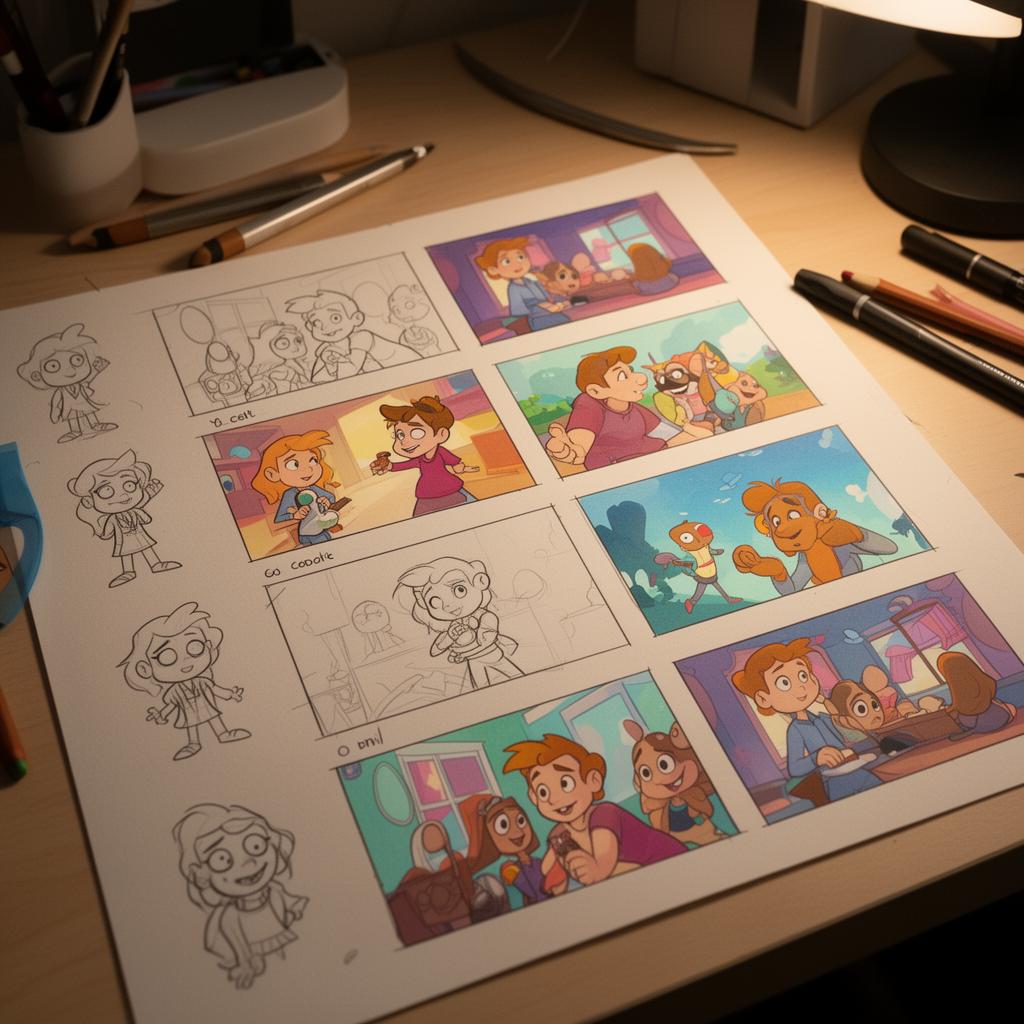
The Magic of Frame-by-Frame
Animation at its core is simple: draw a picture, change it slightly, draw it again. Repeat. This frame-by-frame approach teaches patience, attention to detail, and the physics of movement. When kids see their drawings come to life for the first time, it's a genuinely magical moment. The principle of persistence of vision - the optical illusion that makes animation work - is itself a fascinating science lesson. Our brains blend separate still images into fluid motion, a trick that has captivated audiences since the earliest zoetropes in the 1830s.
The 12 Principles (Simplified for Kids)
Disney's legendary 12 principles of animation might sound advanced, but kids intuitively understand many of them. Squash and stretch (a ball flattens when it hits the ground), anticipation (a character crouches before jumping), and exaggeration (making movements bigger than real life) are all concepts children can grasp and apply. You don't need to teach these formally - just point them out in cartoons they already watch: 'See how the character squishes when they land? That's squash and stretch!' Once kids can name these principles, they start noticing and applying them in their own animations.
Digital Tools Lower the Barrier
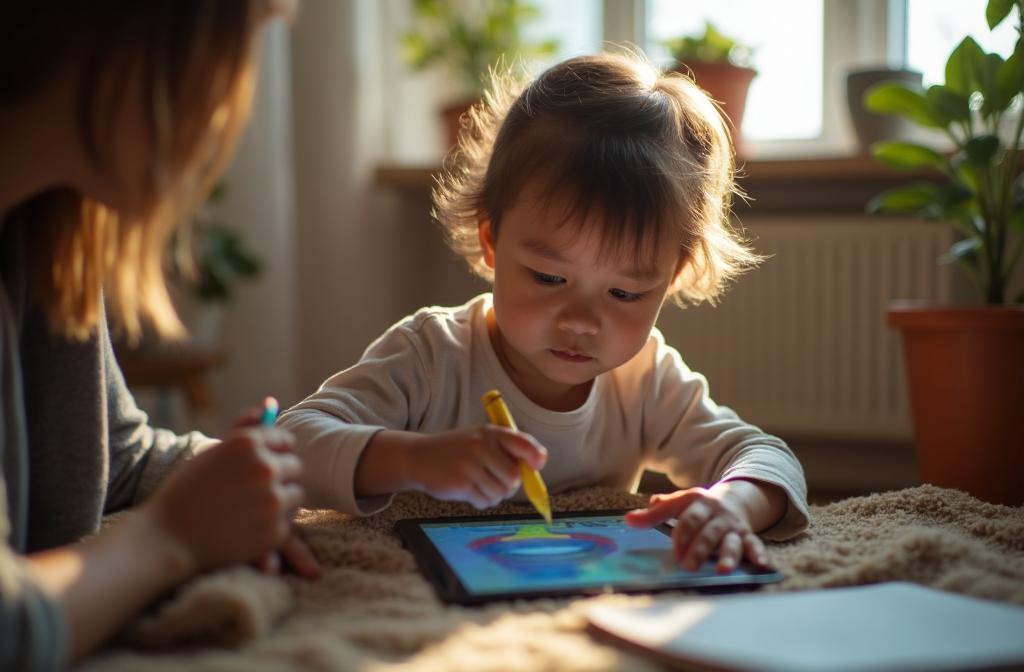
Traditional animation requires hundreds of drawings. Digital tools offer onion skinning (seeing the previous frame), copy-and-adjust workflows, and instant playback. A child can create their first animation in 10 minutes instead of 10 hours, keeping motivation high while building real skills. The ability to instantly play back and review their work gives children a feedback loop that traditional animation never had. They can see immediately what works and what doesn't, adjusting their approach in real-time rather than discovering problems only after hours of drawing.
Stop Motion: The Bridge to Animation
Stop-motion animation is a wonderful entry point for kids who prefer physical materials over digital drawing. Using toys, clay, paper cutouts, or even food, children can create compelling animations with nothing more than a phone camera and a free app. Each photograph becomes a frame, and the creative process is tangible and immediate. Stop-motion also teaches an important animation concept: patience. Moving an object a tiny amount between each shot requires discipline and precision. Kids who master stop-motion develop attention to detail that serves them well in any creative or academic pursuit.
Storytelling Through Motion
Animation is storytelling. When kids animate, they think about character, emotion, timing, and narrative - skills that transfer to writing, filmmaking, and presentation. Even a simple bouncing ball animation teaches physics concepts and comedic timing. More complex animations require kids to think about story structure: setup, conflict, resolution. They must consider how a character's body language communicates emotion, how timing creates comedy or drama, and how pacing keeps an audience engaged. These storytelling skills are transferable to essays, presentations, and social communication.
Sound and Animation Together
Adding sound to animation transforms the experience. A boing sound effect on a bounce, footstep sounds for a walking character, or a simple musical score behind a scene - sound adds emotional depth and professionalism that kids find deeply satisfying. Creating sound for animations also teaches an important media literacy lesson: how much of our emotional response to film and TV is driven by the soundtrack. Try watching a favourite movie scene with the sound off, then with sound - the difference is dramatic. Kids who understand this relationship become more sophisticated media consumers and creators.
Sharing and Iterating
Animation is inherently shareable - everyone loves watching a short animation. Encourage kids to share their work with family, friends, or an online community. The feedback they receive provides motivation to iterate and improve. Each animation project should be slightly more ambitious than the last: more frames, smoother motion, added sound, a more complex story. This gradual progression of challenge keeps kids in the learning sweet spot - challenged enough to grow, but not so overwhelmed that they quit. Over time, they'll look back at their first animations with a mix of pride and amazement at how far they've come.
 James Lee
 Sara Kim
 Alex Rivera