James Lee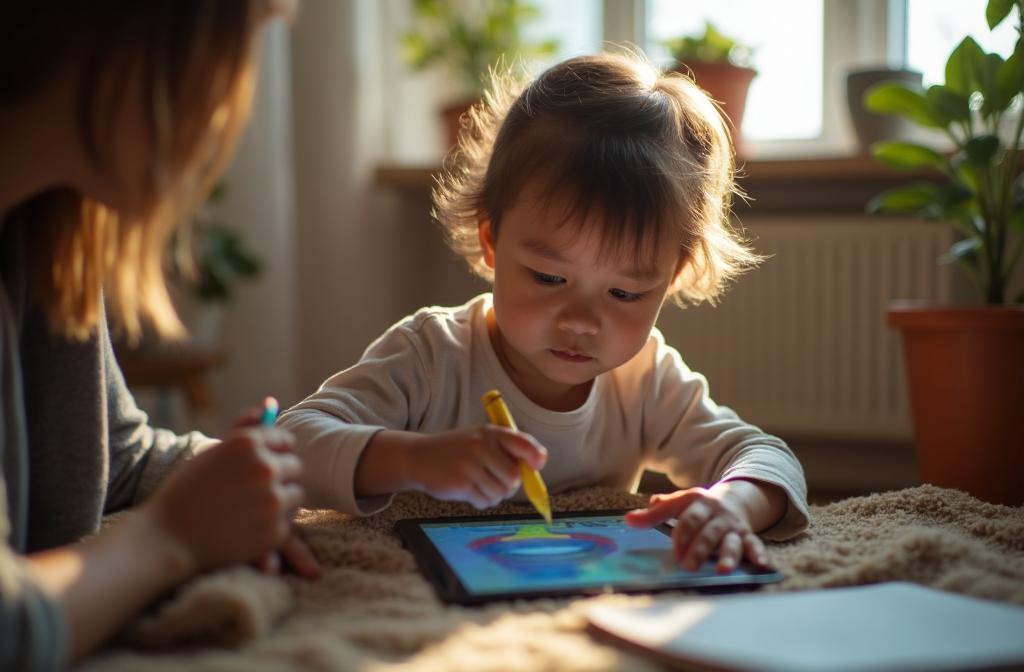
The Screen Time Myth
The debate isn't about how much screen time kids get - it's about what they're doing with it. A child passively watching videos for 2 hours is having a fundamentally different experience than a child spending 2 hours building a game or composing music. Research from the Joan Ganz Cooney Center shows that creative screen time actually develops skills that transfer to offline activities. The American Academy of Pediatrics now distinguishes between passive consumption and interactive creation, acknowledging that not all screen time carries the same developmental impact.
Creation vs Consumption
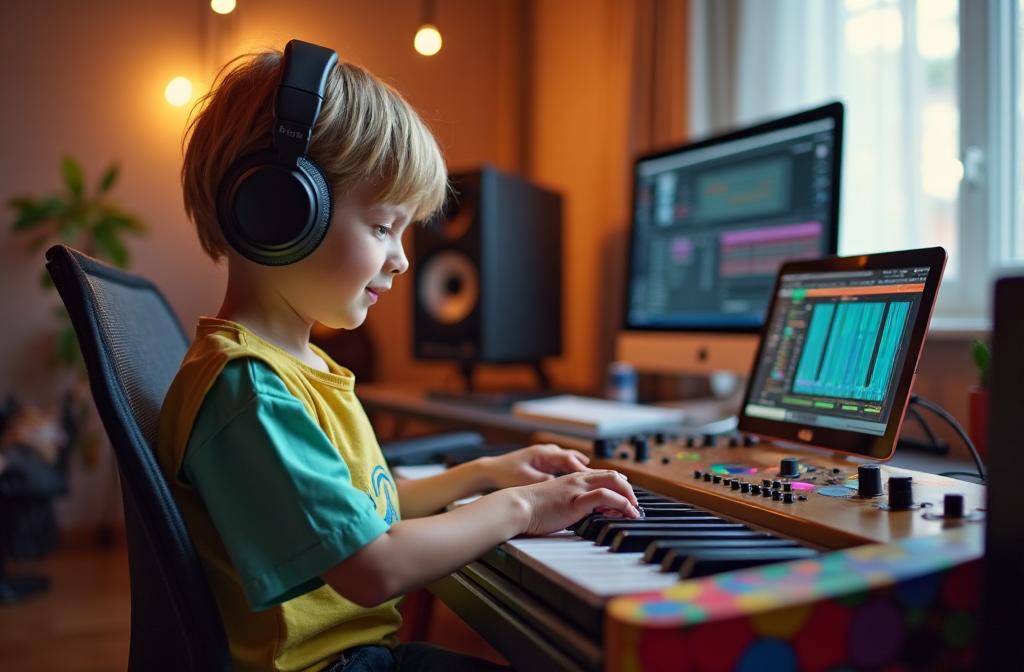
When kids consume content, they're receivers. When they create, they're problem-solvers, designers, and decision-makers. Digital creation tools give children agency - they choose what to make, how to make it, and when it's done. This autonomy is essential for developing intrinsic motivation and self-regulation. Studies show that children who regularly engage in digital creation demonstrate stronger executive function, better emotional regulation, and higher levels of persistence when facing challenges. The act of making something - even something small - builds a sense of competence that passive viewing simply cannot replicate.
The Dopamine Difference
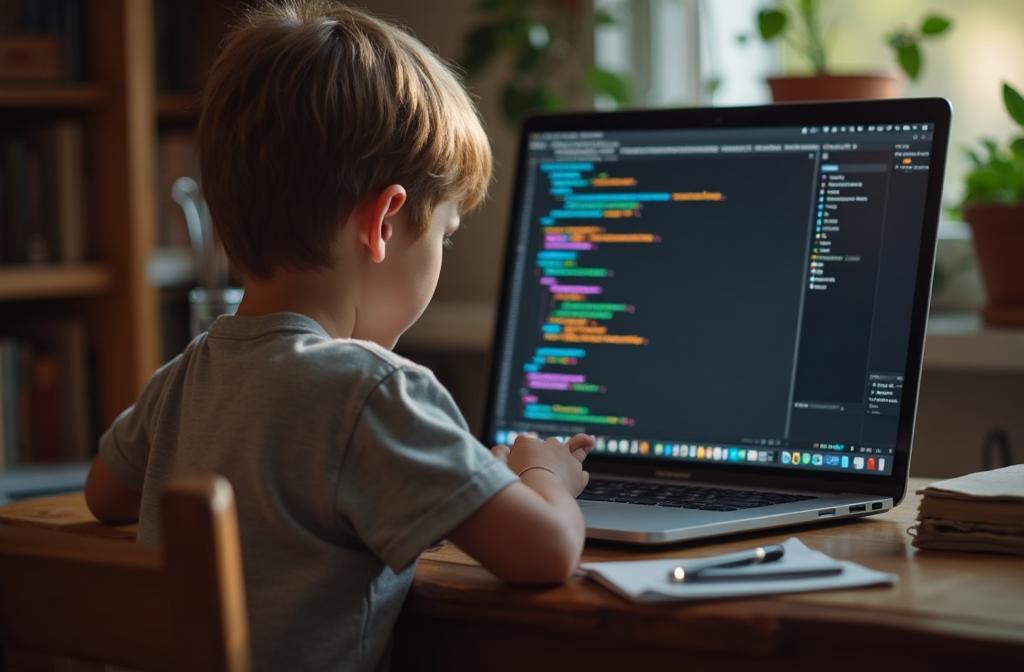
Passive content is designed to deliver quick dopamine hits - autoplay, infinite scroll, flashy thumbnails. Creative tools deliver dopamine differently: through achievement. Finishing a drawing, hearing your beat play back, seeing your code run - these are earned rewards that build healthy motivation patterns. The neurological difference matters: consumption-based dopamine creates dependency, while creation-based dopamine builds self-efficacy. Kids who regularly create digitally develop a healthier relationship with technology because they associate screens with accomplishment rather than distraction.
What Parents Can Do
Set up 'create time' alongside free screen time. Stock your child's devices with creative apps instead of just entertainment ones. Ask to see what they've made rather than what they've watched. And most importantly, try creating alongside them - it's a powerful way to connect and model creative behaviour. Create a family 'show and tell' ritual where everyone shares something they've made that week - a drawing, a beat, a coded animation, even a recipe. This normalises creation as a daily practice rather than a special event.
Reframing the Conversation
Instead of asking 'How much screen time did you have today?', try asking 'What did you make today?' This subtle shift reframes technology as a creative medium rather than a guilty pleasure. When kids hear questions about what they've created, they start thinking about screens as tools for building, not just consuming. Over time, this mindset shift naturally reduces passive consumption because children begin to see idle scrolling as a less satisfying use of their time compared to the deeper engagement of making something.
The Long-Term Impact
Children who develop creative digital habits early carry them into adolescence and adulthood. They're more likely to become creators - building websites, editing videos, designing graphics, producing music - rather than passive consumers. In a world where digital literacy is essential, the kids who learn to create with technology will have significant advantages in education, career, and personal fulfilment. The investment you make now in steering your child toward creative screen time pays dividends for decades to come.
Finding the Right Tools
Not all creative tools are created equal. Look for apps and platforms that are age-appropriate, ad-free, and designed to teach alongside creating. The best tools have a low floor (easy to start) and a high ceiling (room to grow). Avoid tools that are really games disguised as creativity - if the primary loop is earning points or unlocking items, that's gamification, not creation. True creative tools let kids produce something original that they can save, share, and be proud of.
 Mia Chen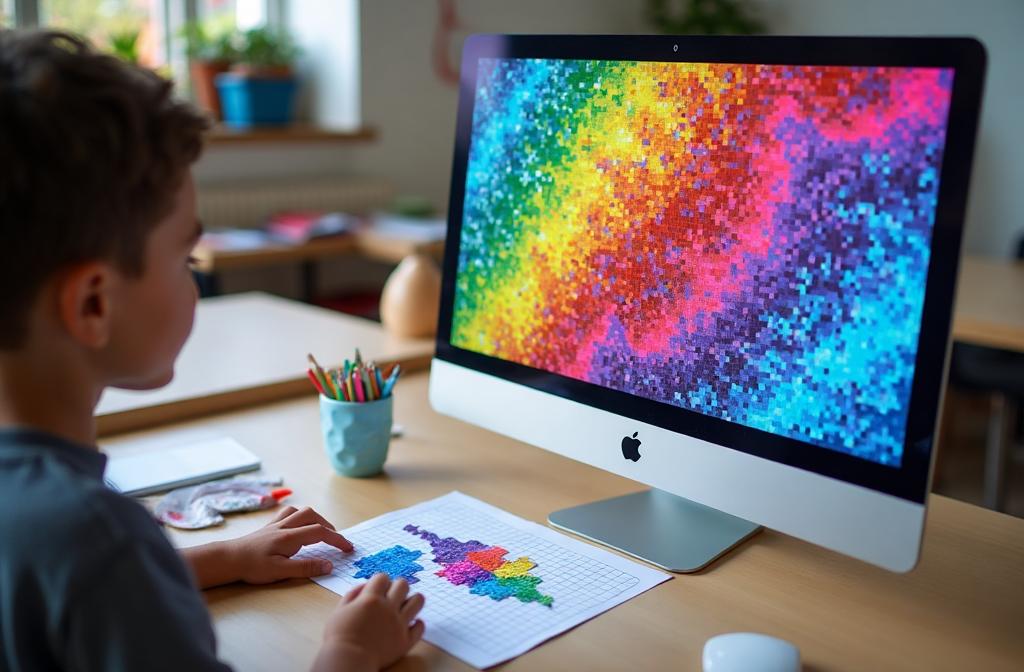
 Sara Kim
 Alex Rivera