 Sara Kim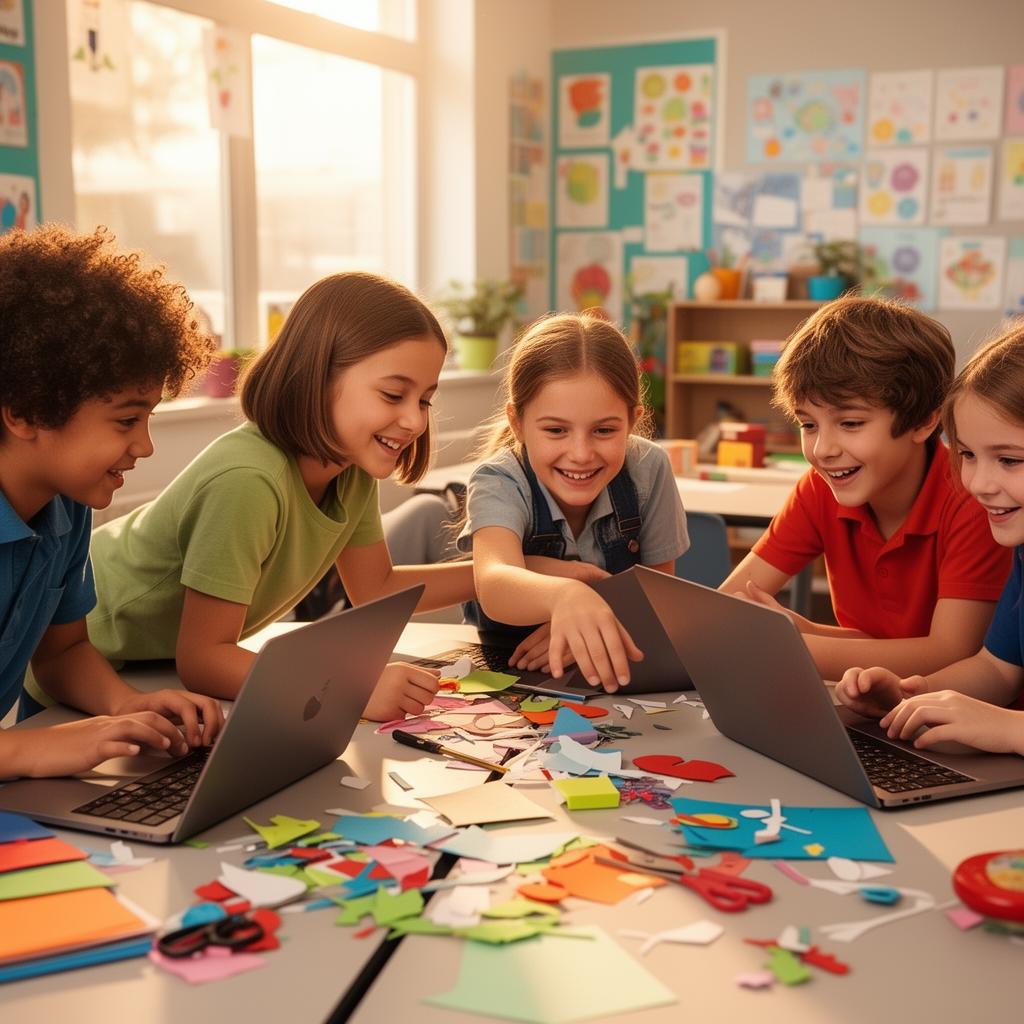
Why Collaboration Matters
In a world increasingly driven by teamwork, teaching kids to collaborate early is essential. Online creative platforms provide structured environments where children can share work, give constructive feedback, and build on each other's ideas - developing social-emotional skills alongside technical ones. The World Economic Forum lists collaboration as one of the top 10 skills needed for the future workforce. Children who develop collaborative habits early are better prepared for group projects in school, team dynamics in sports, and eventually, professional teamwork in their careers.
The Science of Social Learning
Vygotsky's Zone of Proximal Development suggests that children learn best when they're slightly beyond their current ability level - and a more experienced peer or adult helps bridge the gap. Online creative communities create thousands of these learning opportunities naturally. A child who sees a peer's impressive pixel art and asks 'how did you do that?' is engaging in social learning. The response - a shared technique, a recommended tool, or an encouraging 'just keep practising!' - accelerates skill development in ways that solo practice cannot match.
Safe Sharing Spaces
The key to successful online collaboration for kids is safety. Moderated galleries, guided feedback prompts ('I like how you...' / 'Have you tried...?'), and adult oversight create spaces where kids feel confident sharing. When the fear of judgment is removed, creative risk-taking flourishes. Structured feedback frameworks are especially important for young creators. Without guidance, children's feedback can be unintentionally harsh or unhelpfully vague. Prompts like 'One thing I really like is...' and 'One idea you could try is...' teach constructive communication skills.
Cross-Cultural Connections
One of the most powerful aspects of online collaboration is the ability to connect children across cultures, countries, and backgrounds. A child in London can collaborate with a child in Tokyo on a shared creative project, learning about different perspectives and approaches. This exposure to diversity builds empathy, global awareness, and adaptability. Creative collaboration is an especially effective bridge because it centres shared interests rather than differences - two kids who both love pixel art have an immediate connection regardless of language or culture.
From Solo to Team
Start with individual creation, then introduce peer feedback. Once kids are comfortable, move to collaborative projects - where two or more children work on the same piece. This progression builds both creative confidence and teamwork skills in a natural, pressure-free way. The transition from solo to collaborative creation teaches important lessons about ownership, compromise, and shared vision. When two children combine their ideas into one project, they must negotiate creative differences - a skill that's valuable in every aspect of life.
Feedback as a Skill
Giving and receiving feedback are separate skills, and both need to be taught explicitly. Giving feedback requires observation, empathy, and communication. Receiving feedback requires openness, emotional regulation, and critical thinking. Creative communities are ideal training grounds for both. Start by modelling feedback yourself: show kids how to identify specific strengths in someone's work before suggesting improvements. Teach them that feedback is a gift - it helps us grow - and that their feedback helps other creators improve. Over time, children who regularly give and receive feedback develop stronger self-assessment abilities.
Building a Creative Community
The ultimate goal of collaborative learning isn't just better individual work - it's building a community where kids feel they belong. A sense of creative community provides motivation (someone will see my work), accountability (I committed to this collaboration), and inspiration (look what others are making). Children who feel part of a creative community are more likely to persist through challenges, take creative risks, and develop a lifelong creative identity. The friendships formed through shared creative work can be among the most meaningful in a child's life.
 Mia Chen
 James Lee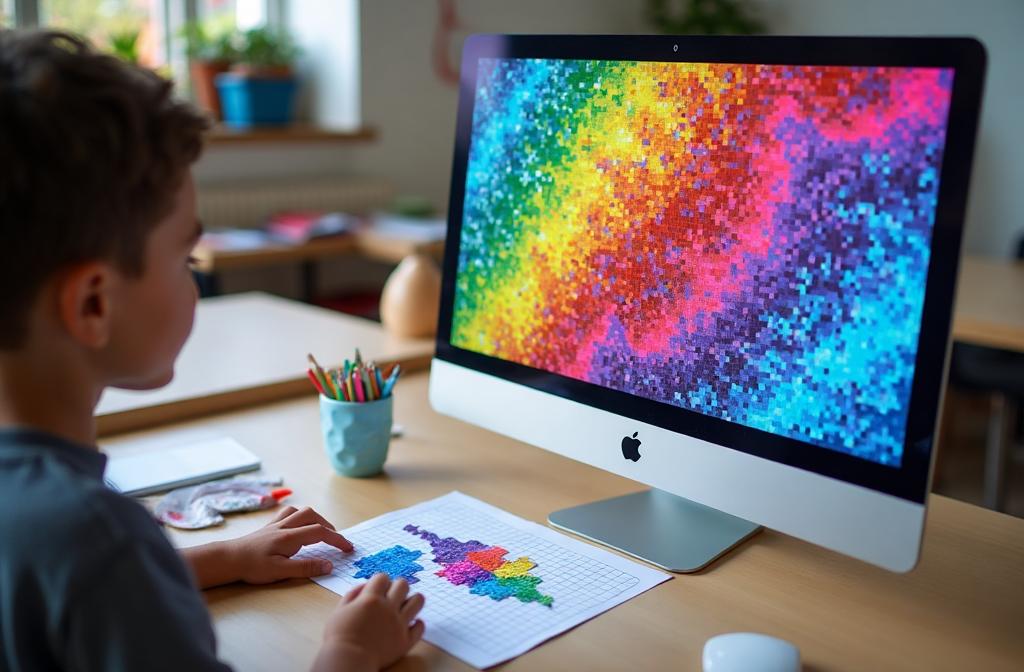
 Alex Rivera